 FIELD NOTES
The apprentice prank field guide
The good ones need a straight face, an imaginary object and a quick reveal. Here is how the classics work—and how to recognise them.
Read more: The apprentice prank field guide →READ BEFORE ORDERING
The names are funny. The explanations make them useful. Start with the subject that brought you here.
FIELD NOTESThe good ones need a straight face, an imaginary object and a quick reveal. Here is how the classics work—and how to recognise them.
Read more: The apprentice prank field guide →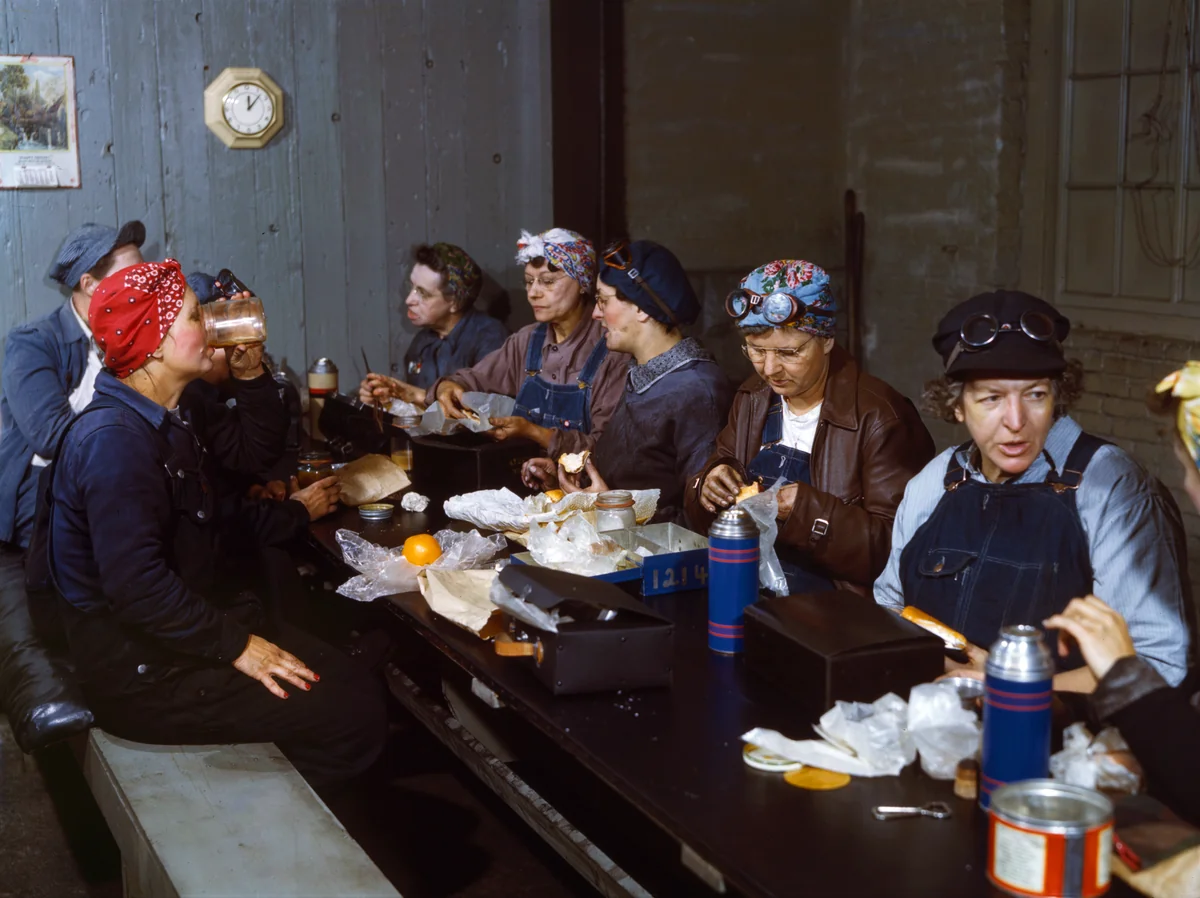 Railway workers at lunch, Iowa, 1943 by Jack Delano, via Wikimedia Commons. Public domain (U.S.). Resized from the Commons JPEG to two WebP sizes. No additional cropping or retouching; Commons source is already cropped and leveled from the archive TIFF. U.S. public-domain status retained. Historical workplace lunch photograph; not a documented prank.FIELD NOTES
A practical guide to jokes that finish with an explanation, without turning people, equipment or working time into props.
Read more: Harmless apprentice pranks: keep it verbal → FIELD NOTES
Ask about the job, the mechanism and the exact tool. Those three questions work better than a blacklist of strange names.
Read more: How to tell whether a tool request is a joke → FIELD NOTES
Short replies for imaginary errands—and ways to decline a joke without turning the next shift into a contest.
Read more: Apprentice prank comebacks that keep the peace → FIELD NOTES
For shops that like a laugh and still want their new hire to know where the real equipment is.
Read more: New guy pranks: a joke is not an induction plan → FIELD NOTES
The exceptions worth knowing before you confidently refuse the duct stretcher.
Read more: Real tools that sound like apprentice pranks → FIELD NOTES
A practical way to handle strange names, confident instructions and the occasional imaginary shopping list.
Read more: Your first day in a workshop: unfamiliar does not mean foolish → FIELD NOTES
Why a convincing shopping request can be wrong—and how stores staff can provide a good ending.
Read more: The parts-counter fool’s errand → FIELD NOTES
Real nouns, useful promises and a little missing context: the language behind the imaginary inventory.
Read more: Why fake-tool names sound so convincing → FIELD NOTES
A break-room game that catches experienced workers as neatly as apprentices.
Read more: Run a fake-tool quiz without sending anyone anywhere → FIELD NOTES
How to enjoy fictional product descriptions without putting misleading labels on real supplies.
Read more: Fake-tool cards: the catalogue is the joke → FIELD NOTES
A shared joke lets everyone ask questions and call a halt. Repeated misleading requests or pressure to laugh can change the tone.
Read more: When workshop banter crosses the line → FIELD NOTES
A few precise questions help with genuine requests, local slang and imaginary inventory alike.
Read more: How to ask a good tool question → FIELD NOTES
Spanner or wrench, apprentice or new hire: English-speaking workplaces use different words for familiar joke setups.
Read more: Apprentice, rookie or new guy? A guide to the language → FIELD NOTES
Fool’s errands existed before web forums. Tracing an individual fake-tool joke to its first teller is much less certain.
Read more: The history of fool’s errands: old jokes, careful claims → FIELD NOTES
A straight face starts the joke; a clear answer finishes it. These examples show how to share the reveal with the apprentice.
Read more: The fake-tool reveal: the moment everyone can laugh → FIELD NOTES
Five conversation formats that turn imaginary tools into a shared laugh, from an impossible catalogue to a quiz with genuine surprises.
Read more: Workshop jokes for the whole table → FIELD NOTES
A fake stock order sounds convincing until you ask what the item does. A few clear questions can turn the confusion into a quick shared laugh.
Read more: The imaginary stock order: questions that reveal the joke → FIELD NOTES
Short kitchen jokes with clear answers, apprentice comebacks and checks for unfamiliar real tools. The laugh stays in the conversation.
Read more: Kitchen jokes with a clear reveal → FIELD NOTES
Blinker fluid and muffler bearings sound like car maintenance supplies. Find out why they are apprentice jokes and how they differ from genuine fluids and parts.
Read more: Fake car fluids and parts: blinker fluid, muffler bearings and more → FIELD NOTES
A board stretcher promises to replace missing wood. Wire and duct stretchers can be real tools with different jobs. The function matters more than the name.
Read more: Board stretcher vs wire stretcher: which tools are real? → FIELD NOTES
Long weight sounds like long wait. Explore the double meanings behind workshop wordplay, from sound-alike errands to boxes of impossible supplies.
Read more: Workshop wordplay jokes: long weight, long stand and more → FIELD NOTES
An ordinary hammer or screwdriver can be held in either hand. Left-hand threads and cutting tools describe different features. Here is how the joke works.
Read more: Left-handed tool jokes: hammers, screwdrivers and real exceptions → FIELD NOTES
Bacon stretchers, soufflé pumps and fish legs: the meanings behind kitchen fake-tool jokes, plus names that depend on the recipe or appliance.
Read more: Kitchen fake tools: bacon stretchers, soufflé pumps and more → FIELD NOTES
Prop wash is not a cleaning product, and flight line is not cord on a roll. These aviation apprentice jokes give familiar words an imaginary job.
Read more: Aviation apprentice jokes: prop wash, flight line and glider fuel → FIELD NOTES
Sound-powered phone batteries, chemlight batteries and relative-bearing grease: maritime fool’s errands explained alongside real equipment terms.
Read more: Marine and navy wordplay jokes: phone batteries, bearing grease and more → FIELD NOTES
A packet of data, film for a digital camera and a cordless extension lead: IT apprentice jokes explained without confusing the wordplay with real technology.
Read more: IT apprentice jokes explained: data packets, digital film and wireless cables → FIELD NOTES
Add-a-thou paste, hole relocators and neutral drill bits: machine-shop apprentice jokes explained, including the fraction behind an eight-sixteenths wrench.
Read more: Machinist fake tools and measurements: add-a-thou, hole relocators and 8/16 → FIELD NOTES
Tartan paint and left-handed brushes feature in decorator apprentice jokes. Real multicolour coatings and shaped brushes make the precise request worth checking.
Read more: Painter apprentice jokes: tartan paint, polka dots and left-handed brushes →FIELD NOTESDehydrated water, left-handed brooms and lot stretchers sound like stock-room supplies. Here is where the wordplay ends and real products or planning begin.
Read more: Warehouse apprentice jokes: powdered water, left-handed brooms and more → FIELD NOTES
Wall expanders, eye measures and glass stretchers promise impossible repairs. Find out how construction apprentice jokes work and which tools can be real.
Read more: Fake construction tools: wall expanders, rubber nails and wood welding rods → FIELD NOTES
Kitchen apprentice jokes explained: imaginary ingredients, unnecessary utensils and oven-key requests that need a closer look.
Read more: Chef apprentice jokes: sauerkraut seeds, grape graters and oven keys → FIELD NOTES
Boxes of RPMs and buckets of dial tone turn rates and signals into imaginary stock. Find out how engineering apprentice jokes borrow real technical language.
Read more: Engineering apprentice jokes: boxes of RPMs and buckets of dial tone →FIELD NOTESWhat is a snipe hunt? Compare the expression with a fool’s errand, a wild-goose chase and the long-stand joke, including the fact that snipe birds are real.
Read more: Snipe hunt, fool’s errand and long stand: what the phrases mean → FIELD NOTES
Wire stretchers and left-handed screwdrivers feature in electrician apprentice jokes. Fish tape is real; the answer depends on what the tool is meant to do.
Read more: Electrician apprentice pranks: cable stretchers, fish tape and wireless cable → FIELD NOTES
Pipe stretchers, tube expanders and left-handed wrenches: plumbing apprentice jokes explained alongside the genuine tools with similar names.
Read more: Plumber apprentice pranks: pipe stretchers, steam buckets and spare bubbles → FIELD NOTES
Wooden welding rods and unsupported sky hooks are workshop jokes. Genuine wood-welding research and supported lifting equipment are different claims.
Read more: Welder apprentice jokes: wooden rods, sky hooks and fictional repairs → FIELD NOTES
Duct stretchers and R718 are real HVAC terms. Vacuum refills and cordless leads belong to the imaginary stores list. Here is how to tell them apart.
Read more: HVAC apprentice pranks: real duct stretchers, R718 and imaginary supplies → FIELD NOTES
Board stretchers, rubber nails and mallet sharpeners promise imaginary fixes. Real woodworking tools, including square-hole systems, need their own explanations.
Read more: Carpenter apprentice jokes: board stretchers, rubber nails and square holes → FIELD NOTES
Mechanic apprentice jokes explained: diesel spark plugs, piston return springs, muffler bearings and cans of compression, with real engine parts kept distinct.
Read more: Mechanic apprentice jokes: diesel spark plugs, return springs and compression tins → Woodworker in a workshop by Ian Schneider, via Wikimedia Commons. CC0 1.0. Resized and converted from JPEG to two WebP sizes. No cropping or retouching. CC0 dedication retained.FIELD NOTES
Biscuit joiners and story sticks are real woodworking tools. Learn what the names mean, where plate joiners fit and how they differ from the board-stretcher joke.
Read more: Woodworking tools that sound fake: biscuit joiners and story sticks → FIELD NOTES
Nut splitters work on fasteners; nibblers cut sheet metal. These real tools have playful names, unlike the plate stretcher that promises to put missing metal back.
Read more: Metalworking tools that sound fake: nut splitters and nibblers → FIELD NOTES
Dead blow hammers and crowfoot wrenches are real tools. Learn how a dead blow differs from a rubber mallet, and why drive size and fastener size are separate measurements.
Read more: Mechanic tools that sound fake: dead blow hammers and crowfoot wrenches → FIELD NOTES
A loose replacement spirit level bubble is a joke; a replacement vial can be real. Find out what bubble juice means and how to answer the request.
Read more: Replacement spirit level bubble: the joke, the vial and the real spare part → FIELD NOTES
What does a bit of elbow grease mean? Read original example sentences, distinguish the idiom from real cleaning products, and compare hammer-grease wordplay.
Read more: Elbow grease meaning: the idiom, real cleaners and the apprentice joke → FIELD NOTES
A box of holes treats empty space as stock. Hole saws make real cuts, and solid cut-outs are real objects. The missing material is the joke.
Read more: Box of holes joke: drill holes, nail holes and real hole-cutting tools → FIELD NOTES
An adjustable wrench can have millimetre markings. Find out which part of the metric adjustable spanner request is the joke and which specifications can be real.
Read more: Metric adjustable wrench: the joke, real scales and tool sizes → FIELD NOTES
The imaginary hook hangs from empty air. Genuine equipment sharing the name has physical supports. Here is how to separate the two meanings.
Read more: Sky hook prank versus real Sky Hook lifting equipment → FIELD NOTES
Bakery jokes about dough repair kits and spare rise, with original replies and a clear distinction between imaginary stock and real ingredients.
Read more: Baker apprentice jokes and imaginary ingredients → FIELD NOTES
Boxes of holes and wall expanders turn building mistakes into imaginary stock requests. Find the punchline and a few original replies.
Read more: Bricklayer apprentice jokes: imaginary supplies and real questions → FIELD NOTES
Film for a digital camera and bags of spare pixels: original photography apprentice jokes that finish with a clear answer.
Read more: Photography apprentice jokes: spare pixels and digital-camera film →FIELD NOTESOriginal short apprentice jokes about imaginary stock, impossible repairs and the parts counter, with plain answers and friendly comebacks.
Read more: Short apprentice jokes and workshop one-liners →FIELD NOTESA ready-to-read real-or-fake tool quiz with twelve questions, clear answers and genuine exceptions for wire stretchers and sky hooks.
Read more: Fake tool quiz: twelve questions with answers →FIELD NOTESOriginal April Fools’ workshop jokes built around imaginary catalogue copy, short conversations and a reveal that arrives before any real errand.
Read more: April Fools’ workshop jokes for apprentices and coworkers →FIELD NOTESOriginal apprentice card messages for a first day, qualification or farewell: warm wishes with optional workshop wordplay.
Read more: Apprentice welcome, graduation and leaving-card messages →FIELD NOTESThree workshop expressions explained in plain English, with original examples and a clear distinction between an idiom and a tool to fetch.
Read more: Workshop idioms: nuts and bolts, learn the ropes and elbow grease →FIELD NOTESOriginal short opening lines for a workshop meeting, followed by a clear transition to the real topic. The humour stays separate from technical instructions.
Read more: Funny toolbox-talk opening lines and workshop meeting icebreakers →

